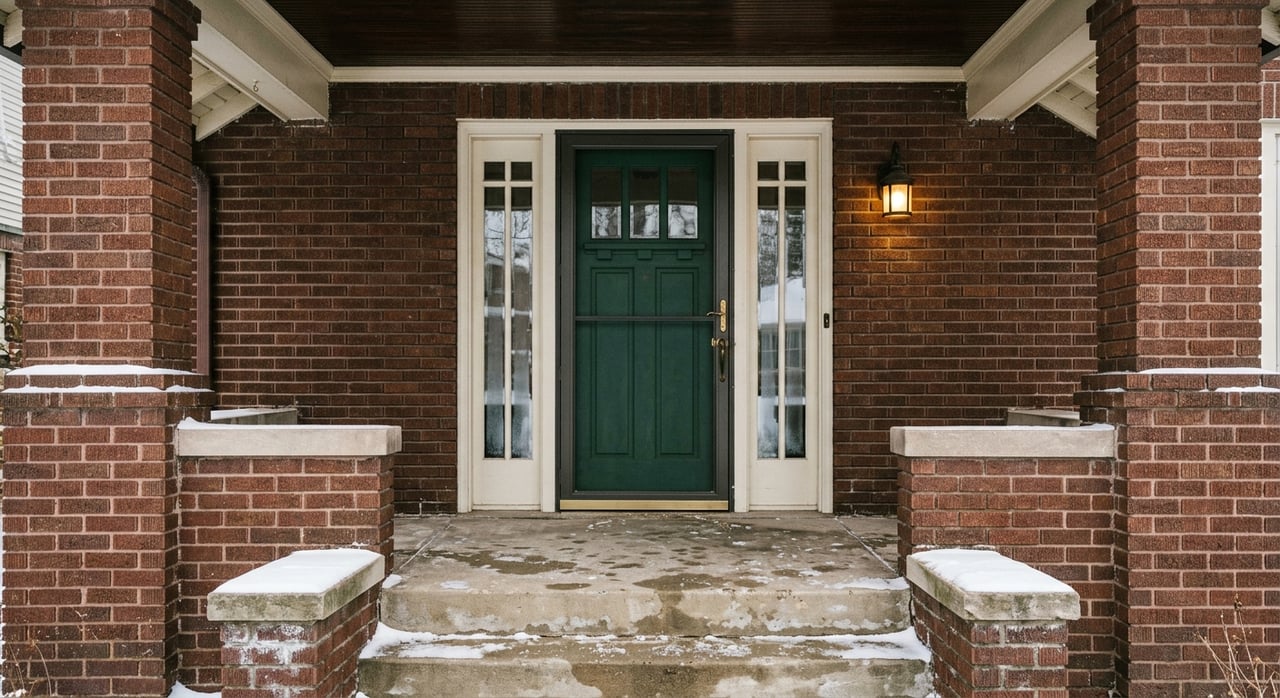
Cleveland Winter Home Maintenance and Energy-Saving Tips
Winter in Cleveland is not a one-storm event. It is months of cold snaps, wind, freeze-thaw cycles, and steady heating use. With average winter lows in the 20s and normal annual snowfall of 63.8 inches, local homeowners need a plan that protects comfort, limits energy waste, and helps prevent avoidable damage, according to the National Weather Service Cleveland climate normals. If you want practical steps that make your home easier to manage through the season, this guide will walk you through the biggest priorities. Let’s dive in.
Cleveland winters put pressure on the parts of your home you use every day but may not think about until something goes wrong. Your heating system runs harder, small air leaks feel bigger, and vulnerable plumbing can freeze during extended cold spells.
That is why winter prep should go beyond shovels and ice melt. In this area, repeated exposure to freezing temperatures means your best return often comes from improving heat retention, checking your HVAC system, and protecting pipes before the coldest stretch arrives.
Your heating system does the heavy lifting all winter, and even small efficiency gains can make a difference. The U.S. Department of Energy says heating typically makes up about 29% of a home’s utility bill, which is why routine maintenance and better energy habits matter so much for homeowners.
A pre-season checkup is one of the simplest ways to catch issues early. ENERGY STAR recommends annual heating system service in the fall, which can help your system run more efficiently during peak use.
If you have not had service yet, it is still worth getting on the schedule. Mid-season maintenance can still help identify airflow issues, worn components, or performance problems before they turn into a no-heat call.
During heavy-use months, filters deserve regular attention. ENERGY STAR advises checking filters every month, because dirty filters can increase energy costs and shorten equipment life.
If your home feels dusty, airflow seems weaker, or the system is running longer than usual, the filter is a smart first place to look. It is one of the lowest-cost habits with the biggest payoff.
Thermostat settings can help control winter utility costs, but the best strategy depends on your type of system. A few smart adjustments can improve comfort without making your furnace or heat pump work harder than necessary.
The Department of Energy says many conventional systems do well with a setting of about 68°F to 70°F while you are awake and a lower setting when you are asleep or away. Using a programmable thermostat this way can save as much as 10% a year.
If your household has a regular schedule, this is one of the easiest ways to cut heating waste. The key is consistency, not constantly adjusting the temperature up and down throughout the day.
Heat pumps work differently. The Department of Energy advises against deep setbacks for many heat pump systems because they can trigger backup heat, which may reduce savings.
In many cases, a moderate, steady setting works better. If you are not sure what type of system you have, checking before changing your winter routine can help you avoid higher bills.
A smart thermostat can be useful, but it is not automatically the right fit for every home. ENERGY STAR says certified smart thermostats can save about $50 a year on average and up to $100 in homes with high heating and cooling bills.
They tend to make the most sense when your schedule changes often, you want remote control, or vacation mode would help. Before buying one, make sure it is compatible with your HVAC system.
If some rooms always feel colder than others, drafts may be part of the problem. Cleveland homes, especially older ones, often lose heat around doors, windows, and other small gaps that are easy to overlook.
The Department of Energy says sealing air leaks with caulk and weatherstripping can save 10% to 20%. That makes air sealing one of the most practical winter upgrades for comfort and efficiency.
Caulk works best for stationary cracks. Weatherstripping is designed for movable parts like doors and operable windows.
That distinction matters because using the right material helps the fix last longer. DOE also notes that weatherstripping double-hung windows can save about 5% to 10%, which is especially helpful in homes with older window assemblies.
You do not need to seal every tiny gap in one weekend. Start with places you can feel cold air moving, such as:
Fixing the biggest leaks first usually gives you the fastest improvement in comfort.
Windows are a common source of heat loss, but you may not need a full replacement project to improve performance. A few lower-cost changes can help hold warmth inside.
The Department of Energy says tightly installed cellular shades can reduce heat loss through windows by 40% or more, which can translate to about 10% heating energy savings.
A simple winter habit also helps. Open coverings on sunny windows during the day to take advantage of solar warmth, then close them at night to reduce heat loss.
If your home has older windows and replacement is not in the plan right now, low-e storm windows may be worth a look. DOE says low-e storm windows can reduce air leakage by 10% or more and may cut heating and cooling costs by 10% to 30%, depending on the window already in place.
For many Cleveland homeowners, that makes storm windows a practical middle-ground upgrade. They can improve comfort without the larger cost of full window replacement.
Frozen pipes can create expensive damage fast, especially in older homes or homes with plumbing in colder areas. Cleveland Water says the pipes most at risk are in unheated spaces, including garages, basements, attics, and poorly insulated exterior walls.
Homes that have had frozen pipes before may be even more vulnerable. That is why it helps to take preventive steps before temperatures stay below freezing for long stretches.
Cleveland Water recommends several simple winterizing steps:
These steps are straightforward, affordable, and important for Cleveland-area homeowners.
When a serious cold spell hits, Cleveland Water advises leaving a pencil-lead-thin stream running from the faucet farthest from the meter. It also recommends opening cabinet doors under sinks so warmer indoor air can circulate around plumbing.
If you plan to leave home for several days, Cleveland Water advises turning off the main water supply and keeping the thermostat set at 55°F or higher. That can reduce the chance of a burst pipe while the home is empty.
The best winter prep plan is one you can actually keep up with. Instead of treating home maintenance as one large project, break it into a few repeatable checks during the season.
A practical routine might look like this:
This kind of routine helps you stay ahead of small issues before they become expensive ones.
Winter maintenance is mostly about comfort, efficiency, and avoiding damage, but it can also support your property over time. A well-maintained home is easier to live in, easier to budget for, and often easier to present when it is time to sell.
The Department of Energy also notes that some window-covering improvements can help improve resale value. Even when a project is modest, protecting the home through Cleveland winters can pay off in both daily use and long-term condition.
If you are thinking about selling, buying, or planning updates that make sense for your budget, working with someone who understands both homeownership costs and financing strategy can help. Charles Redmon offers practical guidance for Greater Cleveland homeowners, including support for your next move, your financing questions, and your home value goals.
With over ten years of experience in the mortgage, real estate, and banking industry, I am knowledgeable, professional, and available to help you with all of your mortgage needs!

Charles Redmon
Address
6715 HANKEE ROAD
MANTUA OH 44255