
Cleveland Agent-Lender Guidance for a Smoother Move
If you have ever felt like buying or selling a home comes with too many moving parts, you are not alone. In Cleveland, timing, financing, and local paperwork can all affect how smoothly your move goes. When your real estate guidance and mortgage insight work together from the start, you can make clearer decisions and avoid common delays. Let’s dive in.
A Cleveland agent-lender can help connect two parts of the same transaction: your home search and your financing path. That matters because in real life, price range, property type, required documents, and offer strategy all affect one another.
At the same time, it is important to understand that these are still separate licensed functions in Ohio. Real estate professionals are regulated through the state’s real estate licensing system, while mortgage loan originators and mortgage companies are tracked through mortgage licensing channels, including Ohio’s license lookup tools. That separation helps protect consumers and keeps each role accountable.
What this means for you is simple: an agent with lending experience can help you prepare more efficiently, but final loan approval still belongs to the lender and underwriter. That is an important distinction, especially when you are trying to plan your next move with confidence.
One of the biggest ways an integrated approach helps is early preapproval planning. According to the Consumer Financial Protection Bureau’s preapproval guidance, a preapproval letter can signal to sellers that you are likely to obtain financing, and sellers often want that before accepting an offer.
That does not mean preapproval is a guarantee. The CFPB is clear that preapproval and prequalification are not guaranteed loan offers, and you should still compare official Loan Estimates from multiple lenders before choosing who you want to work with. You can read that directly in the CFPB’s explanation of prequalification vs. preapproval.
Still, preapproval is useful because it helps you shop with a more realistic ceiling. Instead of guessing what might work, you can focus on homes that better match your likely financing options and your monthly comfort level.
In a Cleveland-area transaction, that early alignment can save time. If your credit, income documents, or cash-to-close plan need work, it is better to learn that before you fall in love with a property.
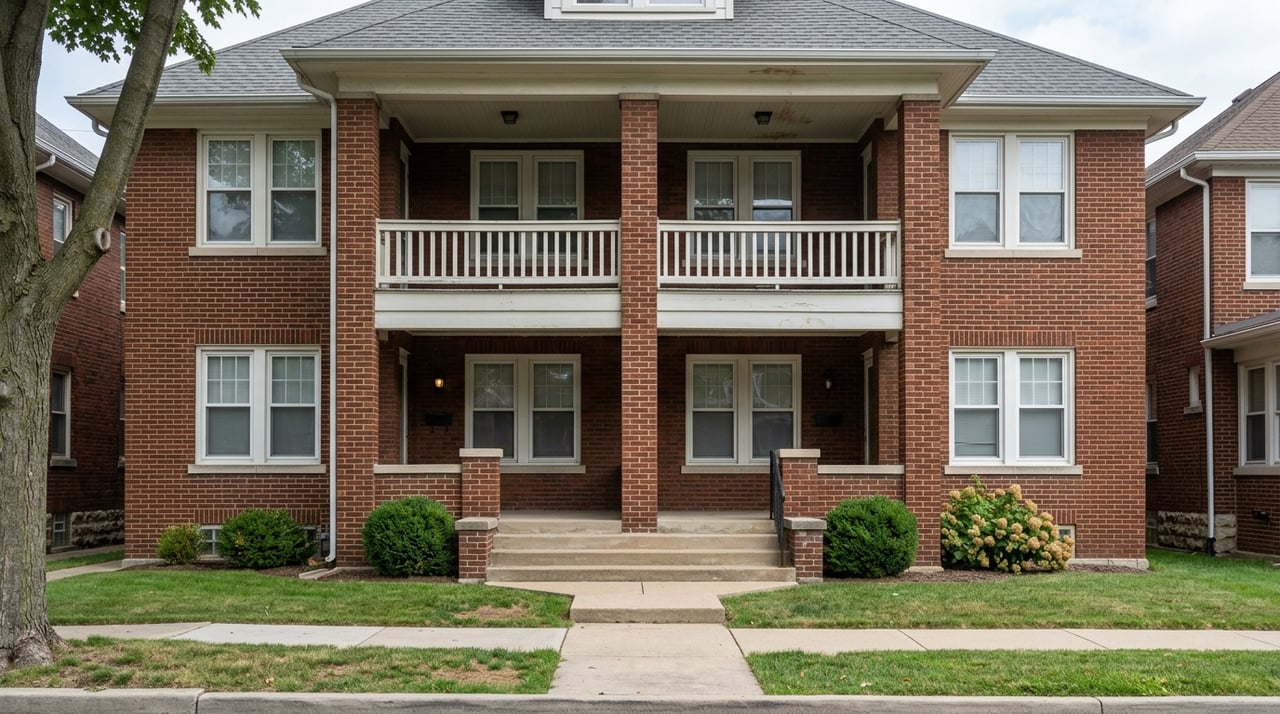
An agent-lender can also help you think through whether a certain property type fits likely financing guidelines. That can be especially helpful if you are considering older homes, small multi-family properties, or homes that may need extra review during underwriting.
Every market has its own transaction friction points, and Cleveland is no exception. Local disclosure rules and the age of the housing stock can both shape your timeline.
If you know about those issues early, you can prepare instead of reacting at the last minute. That is one of the biggest practical benefits of working with someone who understands both the transaction side and the financing side.
The City of Cleveland now requires a Certificate of Disclosure for all real property transactions, effective August 5, 2024. The city says this certificate includes violation history, condemnation history, and legal-use information.
The same city page notes that the certificate is usually requested by the title company and typically takes 3 to 5 days to process once filed. That may not sound like long, but near closing, a few extra days can matter.
When your agent understands how this local requirement fits into the bigger closing timeline, it becomes easier to keep expectations realistic. Better coordination between the title company, lender, and buyer can help reduce avoidable slowdowns.
Cleveland has a large share of older homes, and that matters during both property selection and financing review. The city states on its Lead Safe Certification page that 80% of homes in Cleveland were built before 1980.
The same page explains that rental properties built before 1978 must obtain a Lead Safe Certification or an exemption, while owner-occupied homes do not need that certification. For buyers looking at small multi-family or rental property, this can become an important planning point.
That does not mean older homes are a problem. It means they often require closer attention to condition, use, and compliance details, especially when financing and city requirements intersect.
For many buyers, affordability is not just about the sales price. It is also about down payment help, closing costs, education requirements, and whether a property or location fits program rules.
This is another area where a Cleveland agent-lender can save you time by helping you start with the right questions. The goal is not to promise a program before review, but to help you understand what may be worth exploring.
The Ohio Housing Finance Agency works with 140 lenders across the state and offers 30-year fixed-rate conventional, FHA, VA, and USDA loans, subject to income and purchase-price limits.
For reservations on or after July 1, 2025, OHFA says its down payment assistance is 3% for conventional loans and 3.5% for government loans. Those funds can be used toward down payment, closing costs, or other pre-closing expenses.
OHFA also defines a first-time homebuyer as someone who has not had ownership interest in a principal residence during the prior three years, with an exception for veterans. If you think you may qualify, reviewing program rules early can help shape a more realistic home search.
OHFA says homebuyer education is required for most borrowers and must be completed before commitment approval, except for those using the MTC Basic program. That timing matters more than many buyers realize.
On top of that, the CFPB notes that lenders may request additional documents after you proceed with a loan, including proof of income or explanations for large deposits. You can see that process in the CFPB’s lender document guidance.
An organized file can make a real difference here. If your income, assets, and paper trail are easier to verify, the financing side tends to move with fewer surprises.
Some buyers also look at county down payment help, but location rules matter. Cuyahoga County’s down payment assistance program offers a deferred, subordinated loan of up to 10% of the purchase price, or up to $20,900, for eligible income-qualified homebuyers.
However, the county also says the program only applies in eligible communities and does not include Cleveland, Cleveland Heights, East Cleveland, Euclid, or Lakewood. That is a key reminder that assistance programs are often location-specific.
If you are shopping across city lines, this can affect your budget strategy. A home that seems similar on paper may come with very different assistance options depending on where it is located.
The biggest value of an agent-lender relationship is often not one dramatic moment. It is the way smaller decisions get handled earlier and more clearly throughout the process.
That can help whether you are buying your first home, moving up, or looking at a small investment property. In each case, smoother coordination can reduce stress and improve your timing.
When financing is part of the conversation from the beginning, you can search with more purpose. That means less time spent on homes that may not fit your likely approval range, program rules, or cash-to-close comfort level.
This is especially helpful for first-time and credit-sensitive buyers who want straightforward next steps. It can also help small multi-family buyers think more carefully about property type and documentation before making an offer.
Sellers often want to see that a buyer is financially prepared. Since the CFPB notes that sellers frequently require a preapproval letter, having that piece in place can strengthen your offer position even though it is not a guarantee of final approval.
Beyond the letter itself, preparation matters. If your documentation is already organized, you may be better positioned to respond quickly when additional lender requests come in after contract.
Closings involve multiple parties, and delays often happen when one side is waiting on another. In Cleveland, local disclosure steps and lender underwriting can both affect the schedule.
An agent who understands how financing, title work, and city requirements fit together can help keep communication tighter. That does not eliminate every issue, but it can make the process feel more manageable and less fragmented.
If you are considering an agent-lender model, look for clarity and transparency first. You want someone who explains what they can help coordinate, what still depends on underwriting, and what program eligibility must be verified.
You should also verify licensing through the proper channels. Ohio’s real estate and mortgage licensing systems are separate, and the state notes that its databases are informational rather than endorsements.
Most of all, you want a professional who helps you make informed decisions rather than rushed ones. That kind of practical guidance can be especially valuable in a market like Cleveland, where local process details and property conditions can affect your timeline.
If you want a more connected way to plan your move in Greater Cleveland, Charles Redmon offers local real estate guidance paired with practical mortgage insight to help you move forward with more clarity.



With over ten years of experience in the mortgage, real estate, and banking industry, I am knowledgeable, professional, and available to help you with all of your mortgage needs!

Charles Redmon
Address
6715 HANKEE ROAD
MANTUA OH 44255