Scrolling through Cleveland listings and wondering what “bungalow,” “Colonial,” or “Cleveland Double” actually look like in real life? You are not alone. With so many older homes on the market here, knowing the style helps you picture the layout, spot value, and plan for maintenance. In this guide, you will learn the photo cues to identify each major style, where you often find them, and how each one tends to live day to day. Let’s dive in.
Why style matters in Cleveland
Cleveland’s housing stock skews older than the national average, which means you will see more early 1900s forms than modern tract homes. Redfin’s analysis of cities with the oldest homes places Cleveland high on the list. That history shapes what you find on today’s market.
Much of the region grew fast from about 1890 to 1930 as streetcars and early planned suburbs spread out from downtown. Many houses from this era follow recognizable forms like bungalow/Craftsman, American Foursquare, Colonial Revival, and two-family doubles. Builders also mixed in catalog-kit designs and popular revival details. The result is a market where style terms in listings matter, but photo cues matter even more.
The most common Cleveland home styles
Bungalow and Craftsman
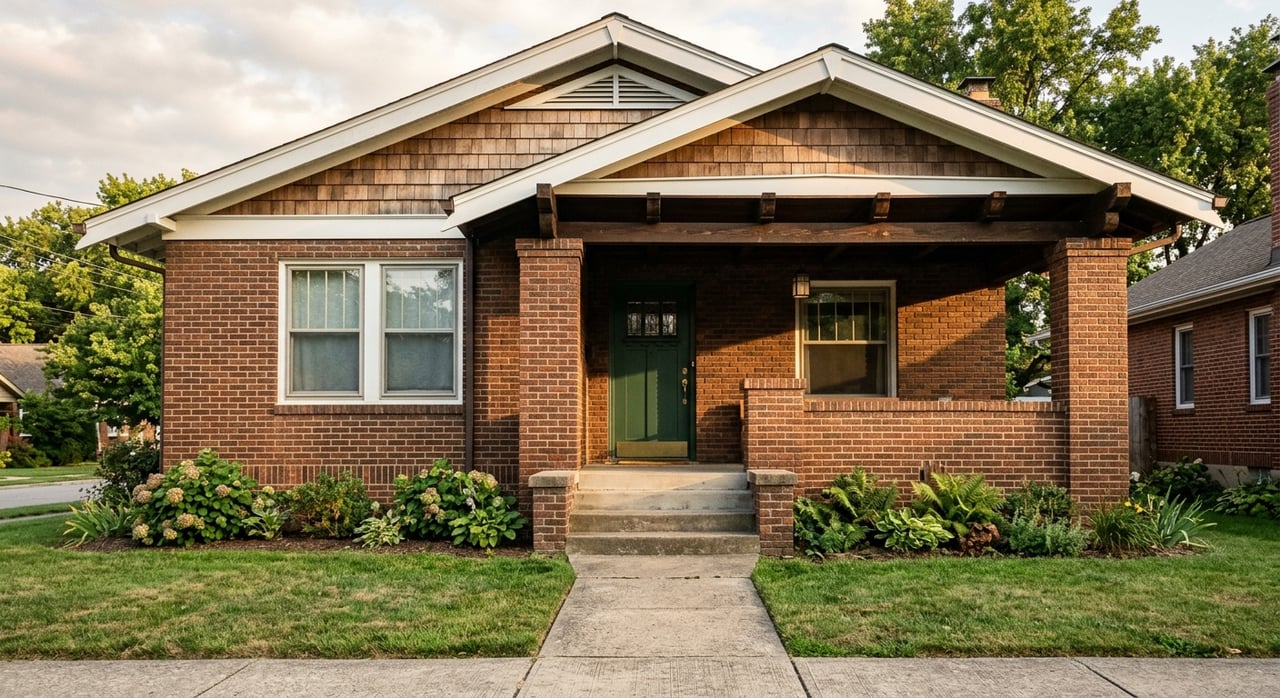
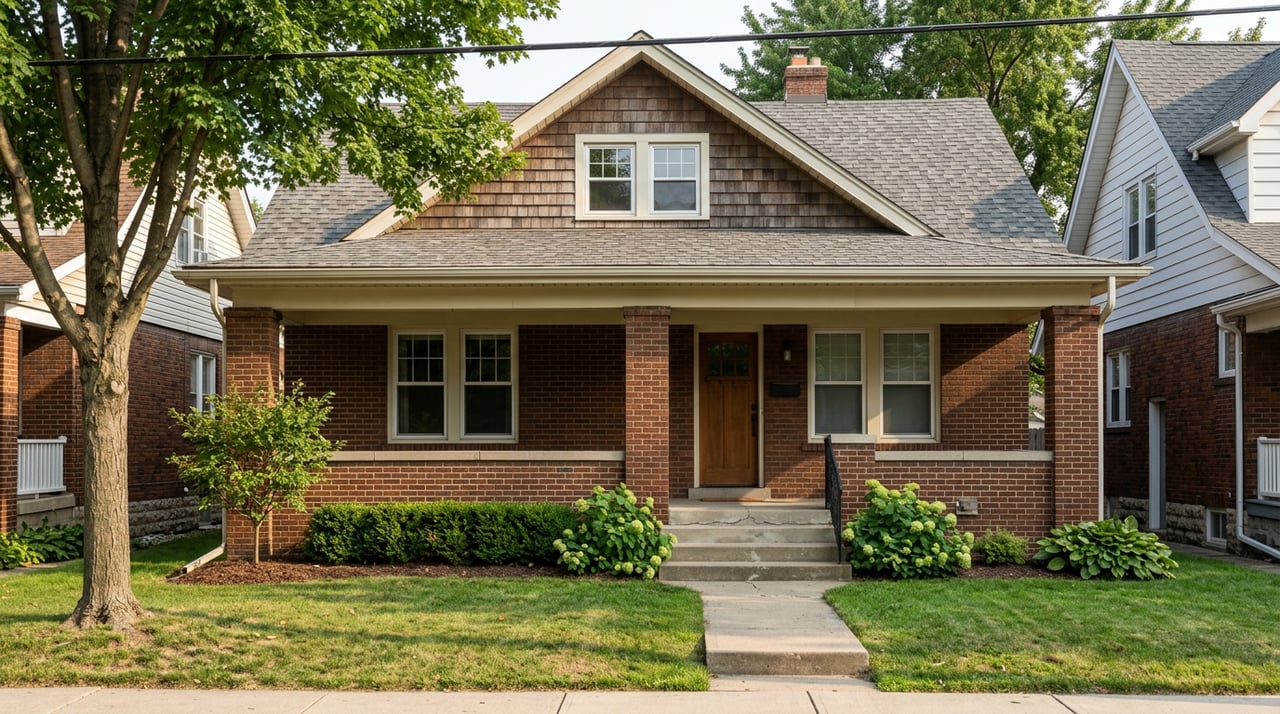
- What it is: A one to one-and-a-half story house, popular locally from about 1905 to 1930. Many show Craftsman details.
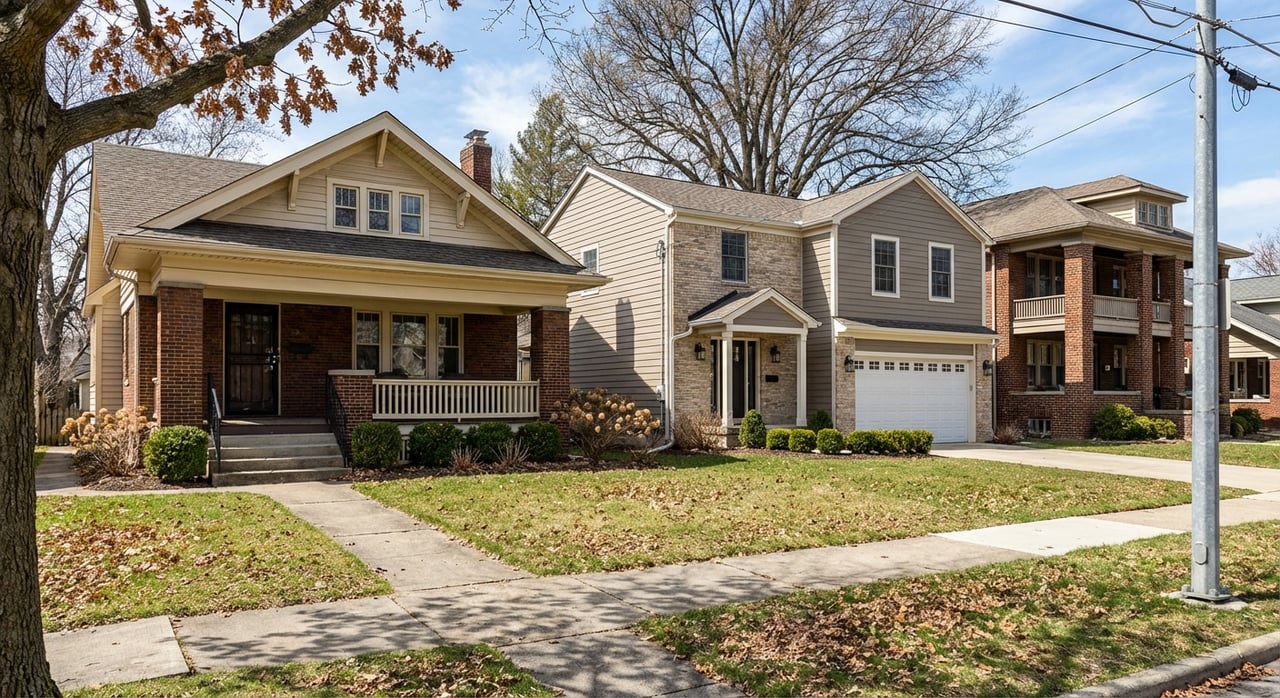
- Photo cues: Low-pitched front gable, wide eaves with exposed rafters, a deep front porch with tapered columns on brick or stone piers, and one or more dormers. Natural materials like brick, stone, and shingles are common. See plain-language style notes from the Heritage Home Program.
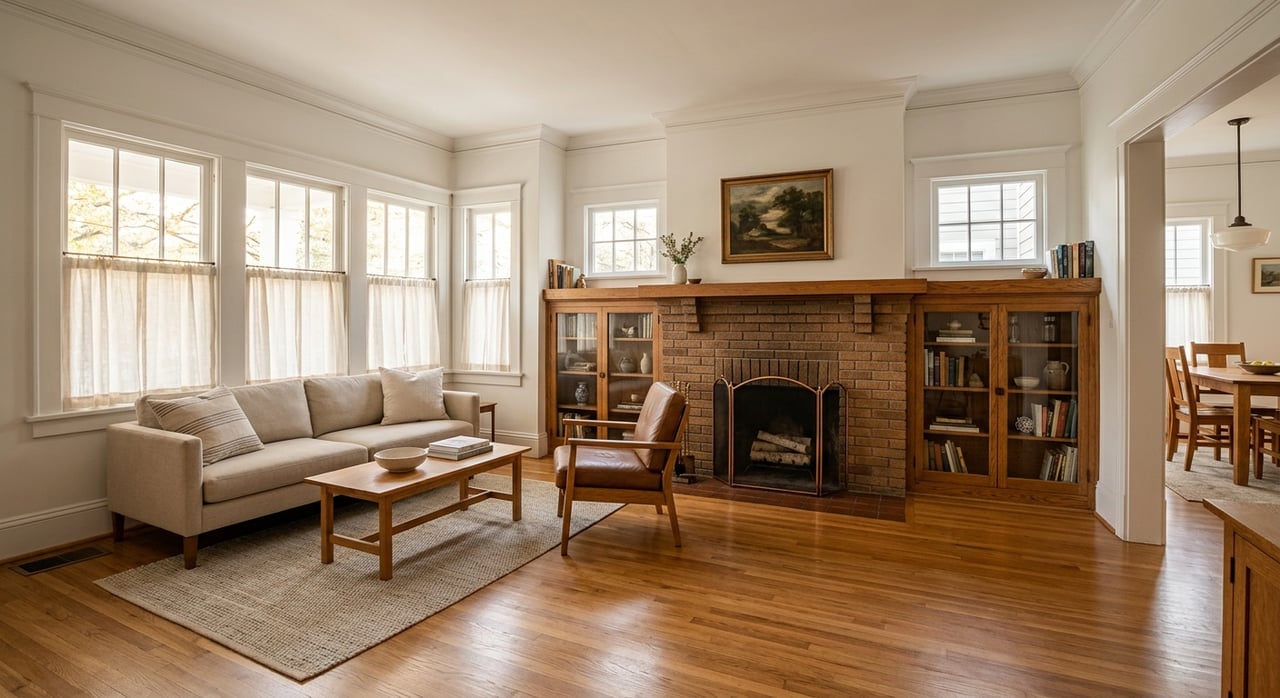
- Interior highlights: Compact footprint with smart built-ins, like bookcases and window seats. Many have 2 to 3 bedrooms, with potential for one-level living.
- Where you will see it: Streetcar-era neighborhoods and inner-ring suburbs. Cleveland Heights and Lakewood have many examples.
American Foursquare
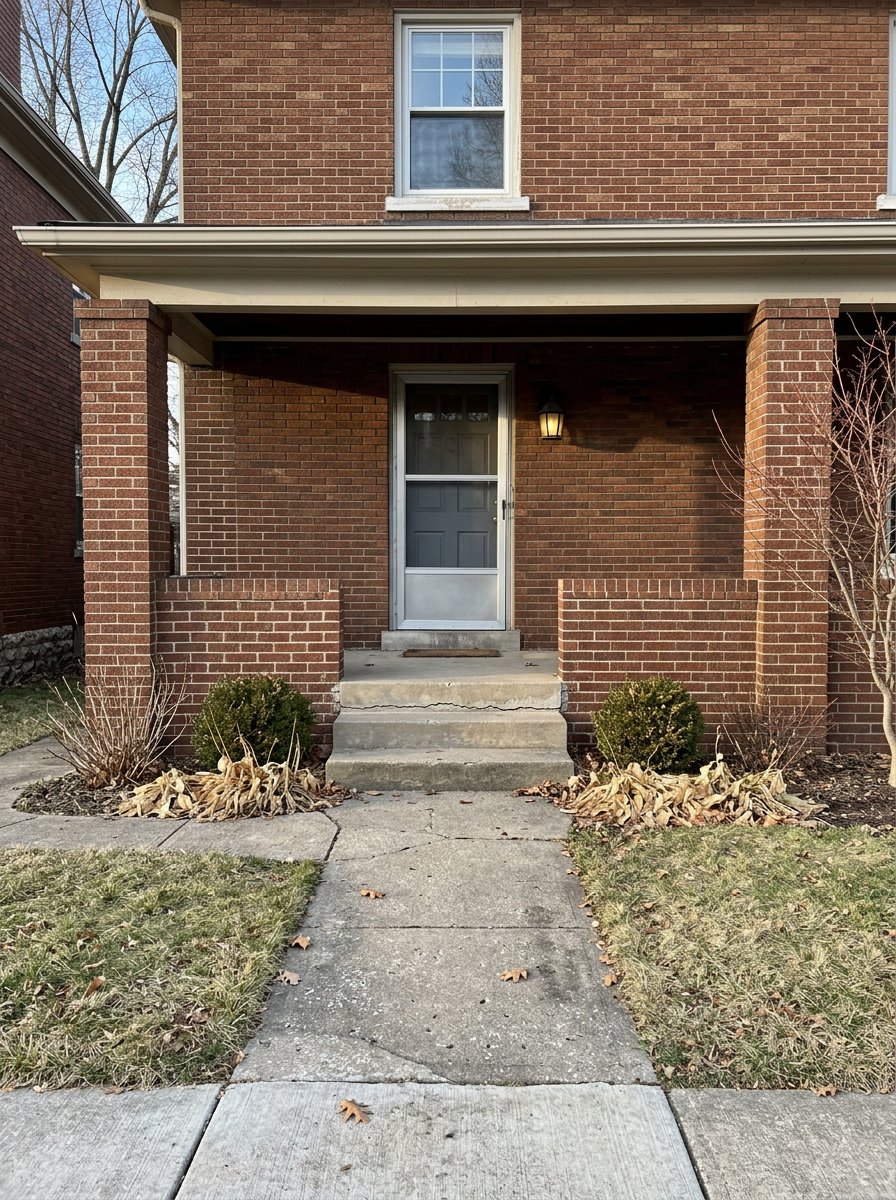
- What it is: A simple, boxy 2 to 2.5 story house with a broad front porch. Often has a hipped or pyramid roof and a centered dormer. The form shows up with Craftsman, Colonial, or other trim. See clear descriptions in municipal design guides like MVHPC’s guidelines.
- Photo cues: Squared massing, full or partial front porch, hipped roof with a dormer, and symmetrical window groupings.
- Interior highlights: Originally four rooms per floor, which makes for roomy, flexible layouts that adapt well to modern kitchens and baths.
- Where you will see it: Common throughout early 20th-century neighborhoods in Cleveland and nearby suburbs.
Colonial Revival and Cape Cod
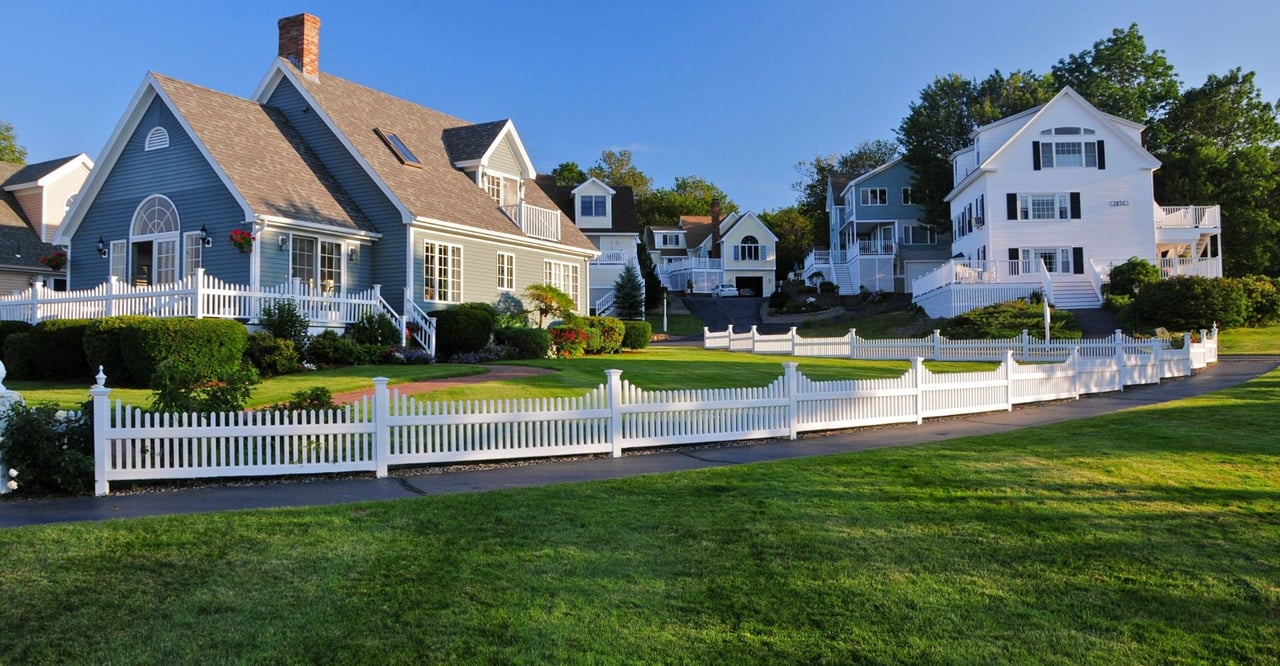
- What it is: A broad family of designs that revive early American colonial forms. Ranges from traditional 2-story center-hall Colonials to smaller 1 to 1.5 story Cape Cod cottages. See definitions from the Heritage Home Program.
- Photo cues: Symmetrical façade, centered front door with a classical surround, multi-pane double-hung windows, and brick or clapboard siding. Cape Cods are lower, often with dormers and a steep gable roof.
- Interior highlights: Larger Colonial Revivals tend to have formal rooms and a center hall. Cape Cods are simpler and compact, often with two bedrooms down and more space tucked under the roof.
- Where you will see it: Across many Cleveland-area neighborhoods, including planned suburbs where period-revival styles were encouraged.
Tudor Revival and English Cottage
- What it is: Period-revival houses popular from the 1910s to the 1930s.
- Photo cues: Steeply pitched roofs, tall narrow windows (often casements or leaded glass), decorative half-timbering, and prominent chimneys. See reference images in MVHPC’s guidelines.
- Interior highlights: Distinctive fireplaces, arched openings, and cozy rooms with character.
- Where you will see it: Planned, higher-detail early 20th-century neighborhoods. Shaker Heights is a standout, as profiled in SAH Archipedia’s entry on its garden-suburb plan.
Victorian-era (Queen Anne, Second Empire, and related)
- What it is: Late 19th-century houses with rich detail and varied massing.
- Photo cues: Asymmetrical façades, towers or turrets, bay windows, patterned shingles, and ornate trim. The everyday shorthand is “Queen Anne.” For context and examples, see Cleveland Historical’s look at Victorian streetscapes.
- Interior highlights: Decorative staircases, tall ceilings, and sometimes complex roof and trim details that require periodic care.
- Where you will see it: Older city neighborhoods like Tremont and Ohio City.
Duplex or “Cleveland Double”
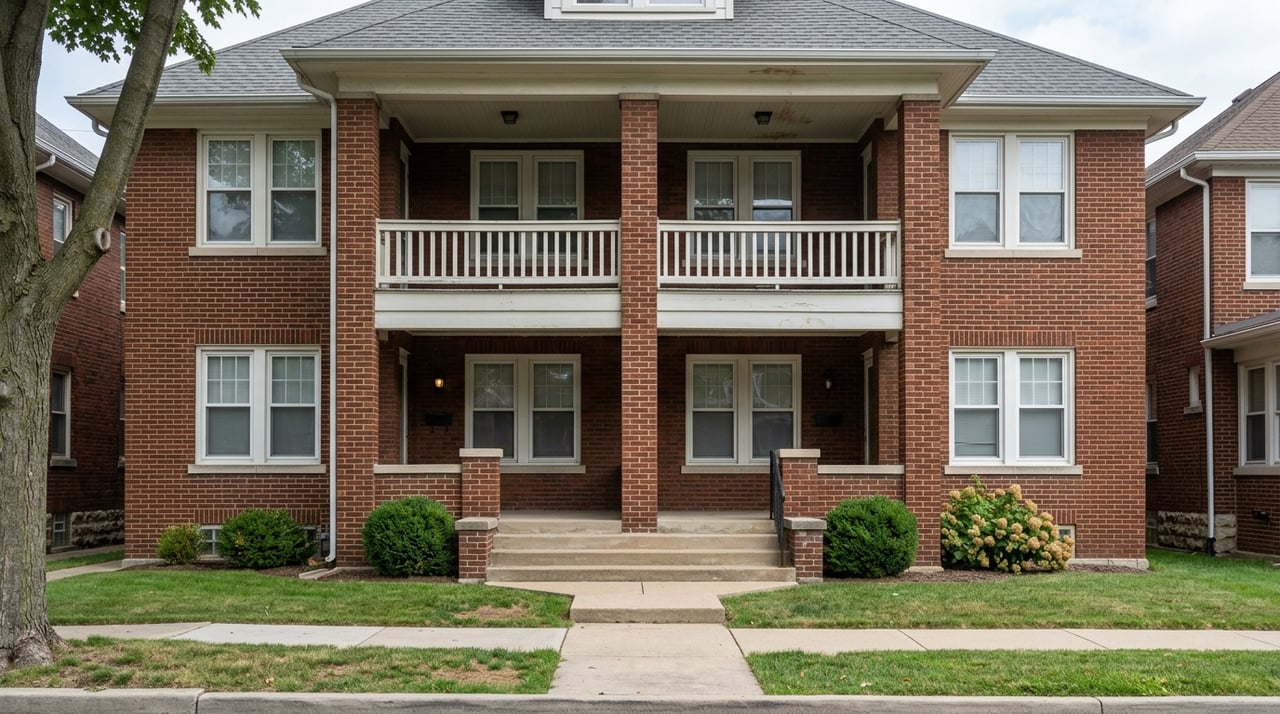
- What it is: A two-family house with two self-contained units, most often stacked one over the other. Built widely from the 1910s to the 1930s to support owner-occupants with rental income. See the two-family overview from Cleveland Heights.
- Photo cues: Two front doors or a large stacked porch serving both floors, rectangular massing, and repeating windows for each unit.
- Interior highlights: Separate kitchens and baths for each unit. Many have original woodwork and generous porches.
- Why buyers consider it: An owner-occupant can use rental income to offset the mortgage. Confirm local rental registration and Lead-Safe requirements where applicable.
Ranch, split-level, and mid-century cottages
- What it is: Postwar and mid-century forms, common in outer-ring or postwar suburbs.
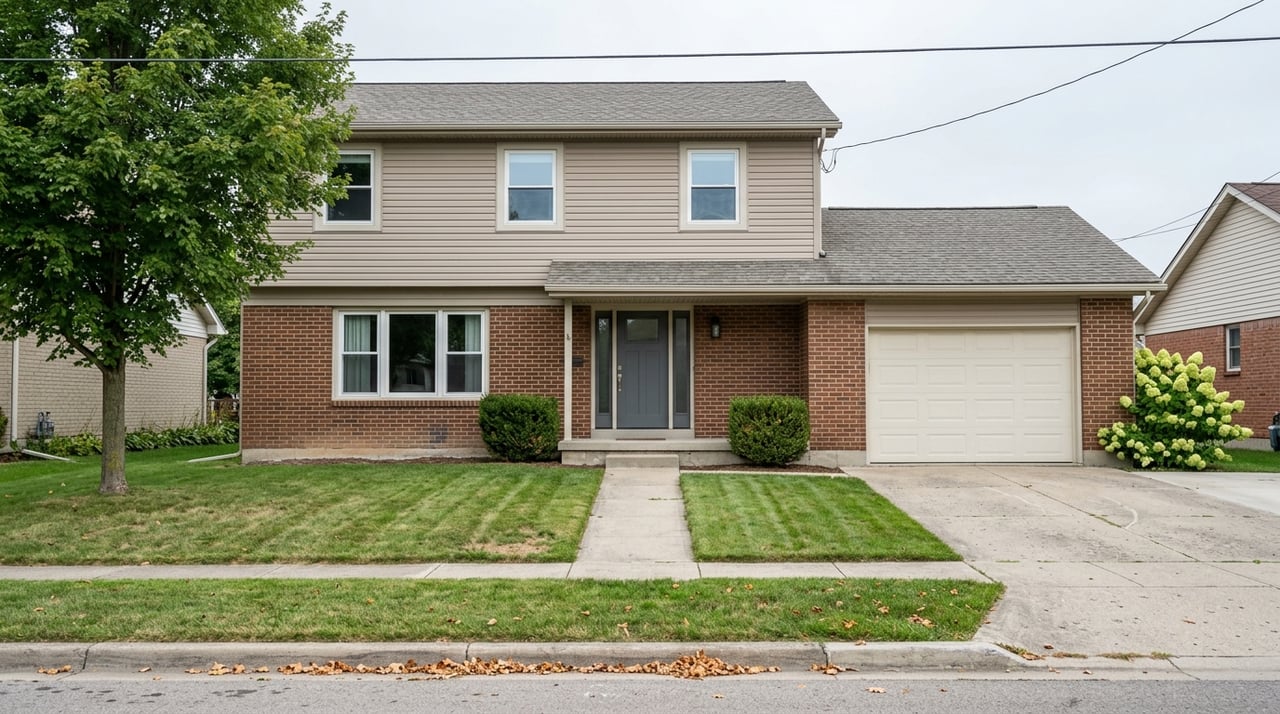
- Photo cues: A single-story long façade for ranches, or a few short staggered levels for split-levels. See a quick style refresher via the Heritage Home Program.
- Interior highlights: Often more open plans, easier maintenance, and attached garages.
- Where you will see it: Postwar subdivisions and mid-century neighborhoods across Greater Cleveland.
Neighborhood guide: where styles cluster
- Tremont and Ohio City: Expect many Victorian-era homes, including Queen Anne and other late 19th-century styles, along with early 20th-century doubles and foursquares. For context, review Cleveland Historical’s overview of Victorian streets.
- Shaker Heights: Planned as a garden suburb with strong period-revival design standards. You will find many Colonial Revival and Tudor Revival homes, as highlighted in SAH Archipedia’s Shaker Heights profile.
- Cleveland Heights and Forest Hill: A mix of bungalows, foursquares, period revivals, and many two-family doubles, with leafy streets from the streetcar era. See background on Forest Hill’s development via Cleveland Historical.
- Lakewood and Clifton Park: Strong inventory of bungalows, foursquares, and revival-style homes, with notable lakefront properties in Clifton Park and several preserved districts.
Keep in mind that many streets are eclectic. A single house may blend forms, like a “Tudor-influenced bungalow” or a “Colonial Revival foursquare.” Trust the photo cues more than the label.
Fast photo checklist for listings
Use this quick scan to identify styles from photos:
- Roof and porch: Low, wide gable with exposed rafters suggests a bungalow. Steep roof with a tall chimney points to Tudor. Dormers plus a steep gable on a smaller house often mean Cape Cod. Reference cues in the Heritage Home Program’s style guide.
- Symmetry vs. asymmetry: Very symmetrical fronts often read as Colonial Revival or Cape Cod. Strong asymmetry with towers or big bays likely means Victorian. See baseline definitions in MVHPC’s design guide.
- Materials: Brick and stone show up across the city and in many revival styles. Half-timbering suggests Tudor. Clapboard or shingles are common on bungalows and Cape Cods.
- Porches: Deep, full-width porches often point to bungalows, foursquares, or doubles. Small stoops are more common on Cape Cods and some later homes.
Decode listing language
When searching, include these terms in your filters or keyword box, then confirm by photos:
- Bungalow, Craftsman
- Foursquare, American Foursquare
- Colonial, Colonial Revival, Cape Cod
- Tudor, English Cottage
- Queen Anne, Victorian
- Two-family, Two-flat, Duplex, Cleveland Double
- Ranch, Split-level
Ownership, maintenance, and inspection tips
Older homes can be outstanding choices. A little due diligence goes a long way.
- Lead and older paint: Many Cleveland homes predate 1978. Ask about any lead testing, and if the property is a rental, whether it has a current Lead-Safe Certificate. Review the City’s Lead Hazard Control and Lead-Safe program. Federal rules require specific disclosures for pre-1978 homes and safe practices during renovation.
- Systems and structure: Ask your inspector about knob-and-tube wiring, older service panels, galvanized plumbing, roof age, basement water intrusion, foundation condition, and signs of asbestos-containing materials. For a style refresher while you plan your inspection list, municipal guides like MVHPC’s offer plain-language building descriptions.
- Duplex-specific questions: For a potential owner-occupied double, confirm separate utilities, unit access, parking, rental-registration needs, rent history, and current leases. Start with the overview from Cleveland Heights and then check the rules for the specific city.
Finding and using reference photos
If you want to study local examples, public collections have helpful images and neighborhood histories. The Cleveland Memory Project explains rights and how to request reproductions in its reproduction guidance. The Library of Congress hosts public-domain architectural images through the Historic American Buildings Survey in its photo collections index. Local institutions like the Western Reserve Historical Society also share materials in their collections portal.
Remember that MLS photos are copyrighted by the listing agent or photographer, so do not reuse listing images without permission.
Ready to find your fit?
Whether you prefer a cozy bungalow, a classic Colonial, or a smart owner-occupied double, matching style to your space needs and budget is the key. If you want help narrowing the field, aligning your mortgage game plan, and touring the right homes first, reach out to Charles Redmon for local guidance and an integrated mortgage review.
FAQs
What is the difference between a bungalow and a Craftsman in Cleveland?
- A bungalow is the house form (usually 1 to 1.5 stories), while Craftsman refers to stylistic details like exposed rafters, tapered porch columns, and built-ins; see the Heritage Home Program’s summaries.
How can I tell if a Cleveland listing is a two-family or a single-family?
- Look for two front doors, stacked porches, and separate meters in photos, then confirm in public records; see the overview of doubles from Cleveland Heights.
Are Victorian homes in Tremont or Ohio City harder to maintain?
- They can be, because ornate trim, complex roofs, and older systems need attention; balance the character with realistic upkeep, and see examples via Cleveland Historical.
Are Cape Cods and Colonials the same style in Cleveland?
- Not exactly; Cape Cods are usually smaller 1 to 1.5 story cottages within the broader Colonial Revival family, as outlined by the Heritage Home Program.
Should I be concerned about lead or asbestos in older Cleveland homes?
- For pre-1978 homes, ask about lead testing and follow the City’s Lead Hazard Control resources; discuss any suspected asbestos with a qualified inspector before renovation.