Buyer’s Guide to East Side Cleveland Neighborhoods
Thinking about living on Cleveland’s East Side but not sure where to start? You are not alone. With historic homes, major medical and cultural hubs, lakefront pockets, and a wide range of prices, the choices can feel overwhelming. This guide gives you a clear, practical overview of neighborhoods, home types, price ranges, commutes, parks, and buying steps tailored to East Side living. Let’s dive in.
When locals say “East Side,” they usually include two areas. First are Cleveland city neighborhoods east of downtown, including University Circle, Midtown, Little Italy, Fairfax, and lakefront communities. Second are inner-ring eastern suburbs like Cleveland Heights, Shaker Heights, University Heights, South Euclid, Lyndhurst, Beachwood, and farther east into Solon and Maple Heights. Most buyers compare options across both, since commute, housing style, and taxes differ block by block.
You will find everything from prewar single-family homes to newer infill townhomes and condos. Commutes to downtown and the hospital/university campuses are straightforward for many neighborhoods. Everyday life centers on parks, cultural institutions, retail corridors, and a mix of independent and national shops.
This cluster is the East Side’s cultural and medical core. It includes museums, campuses, and hospital districts, plus a mix of apartments, older single-family homes, and newer townhomes or condos. You get short commutes to major employers, strong transit links, and dining close by. Walkability varies by block, with the densest options near University Circle and Little Italy.
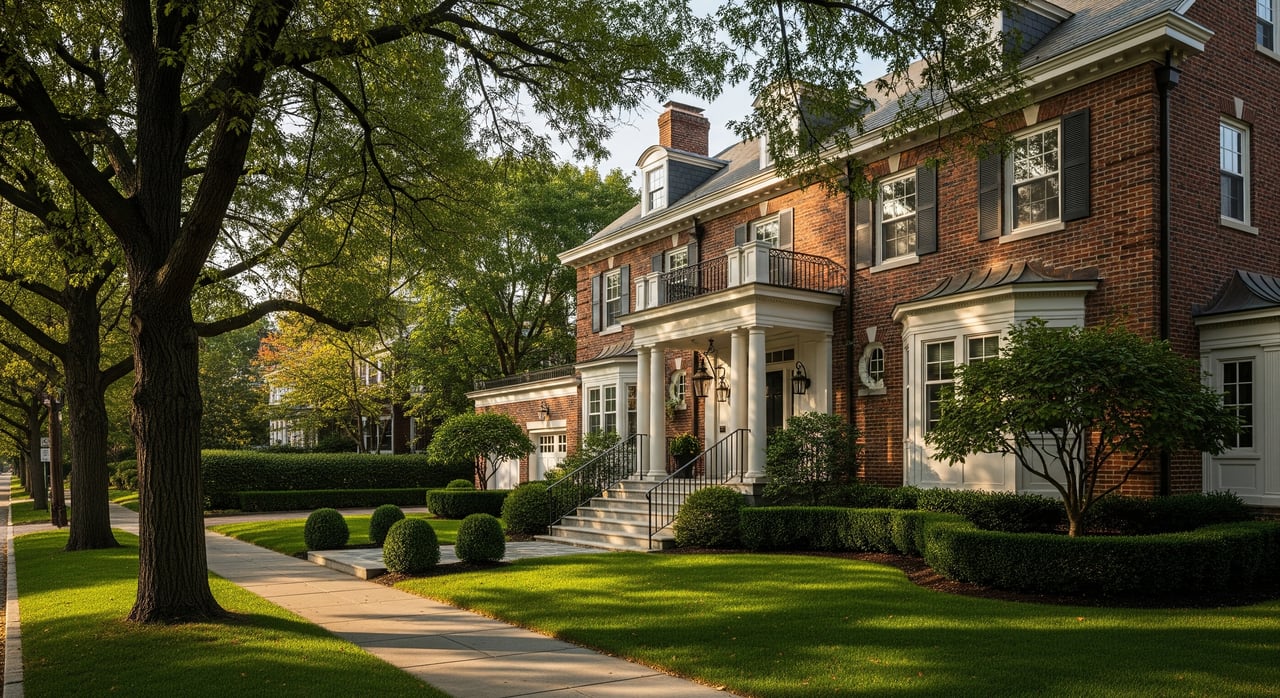
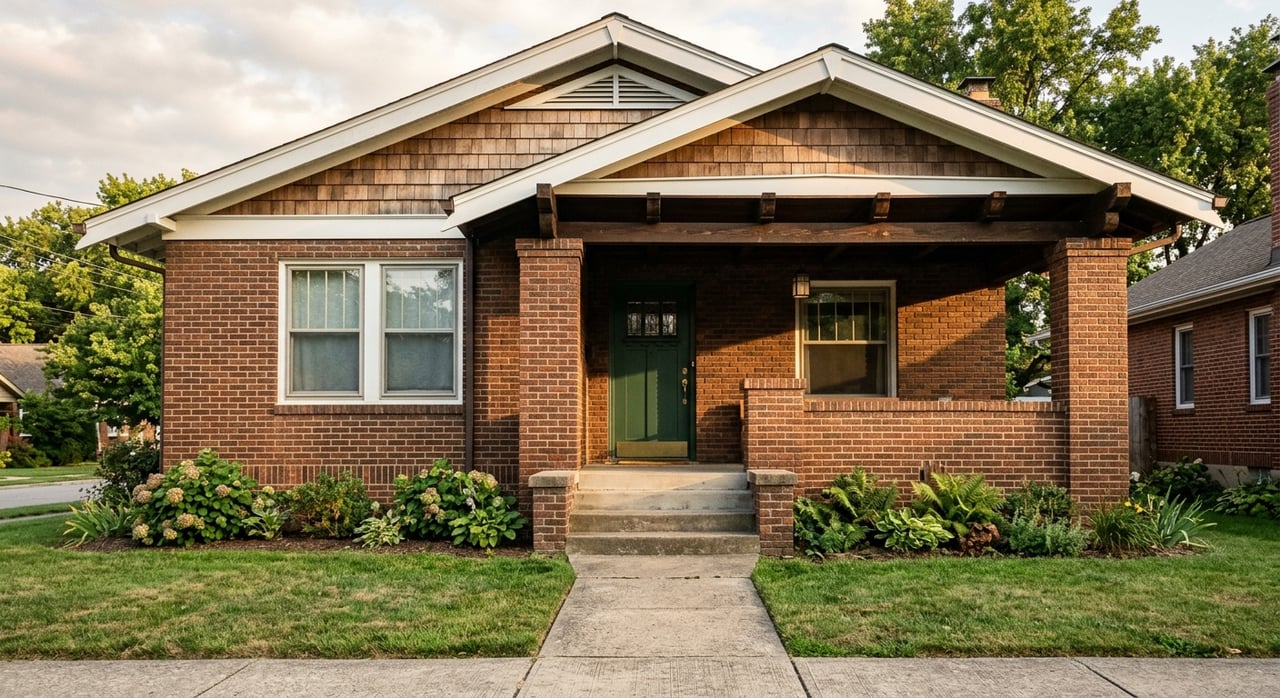
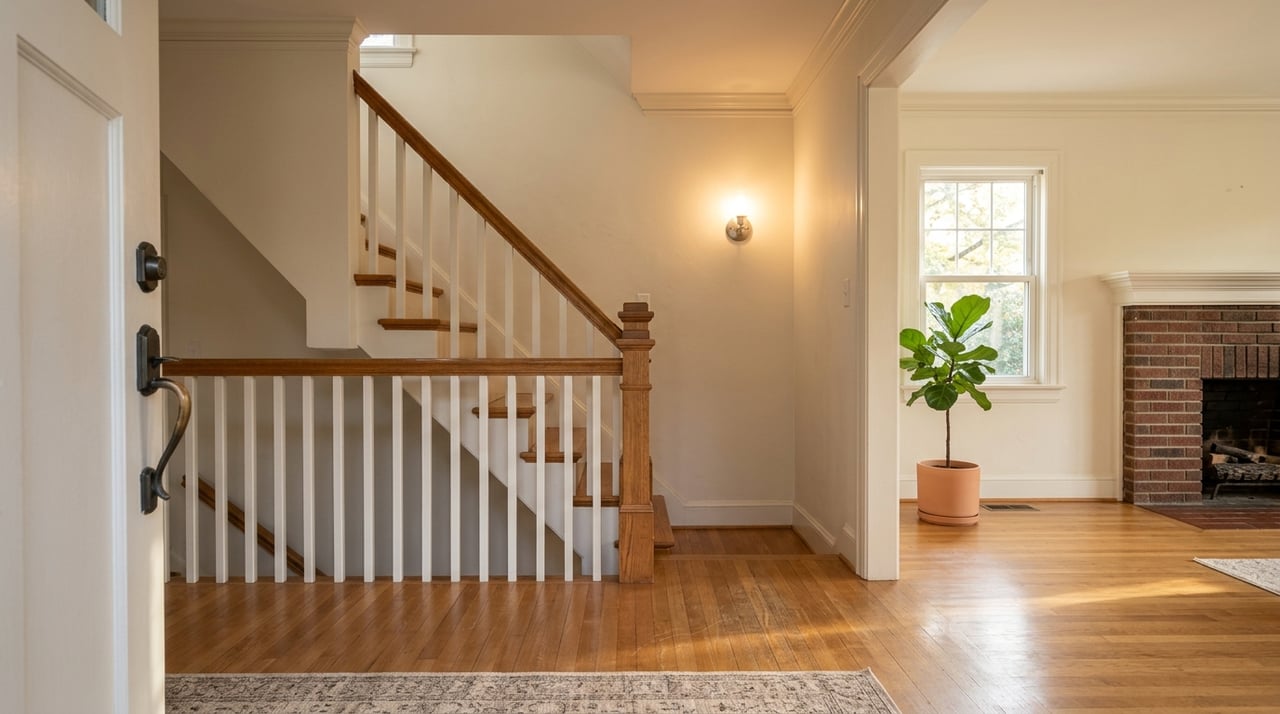
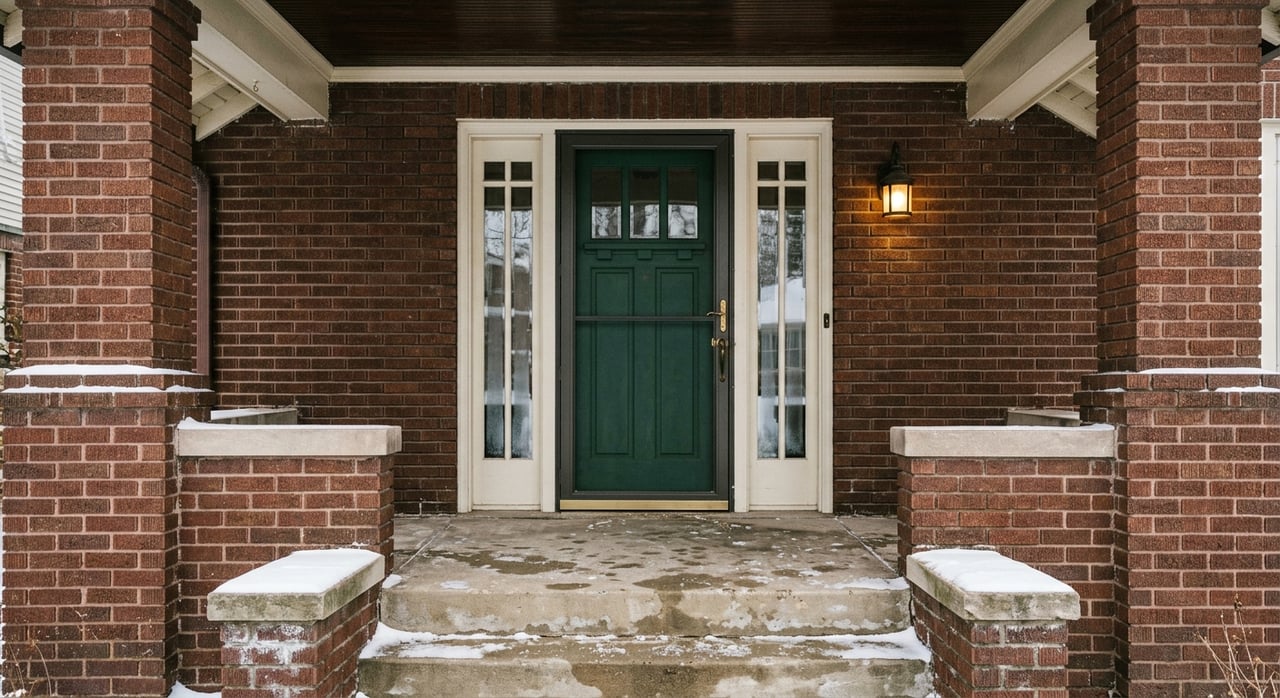
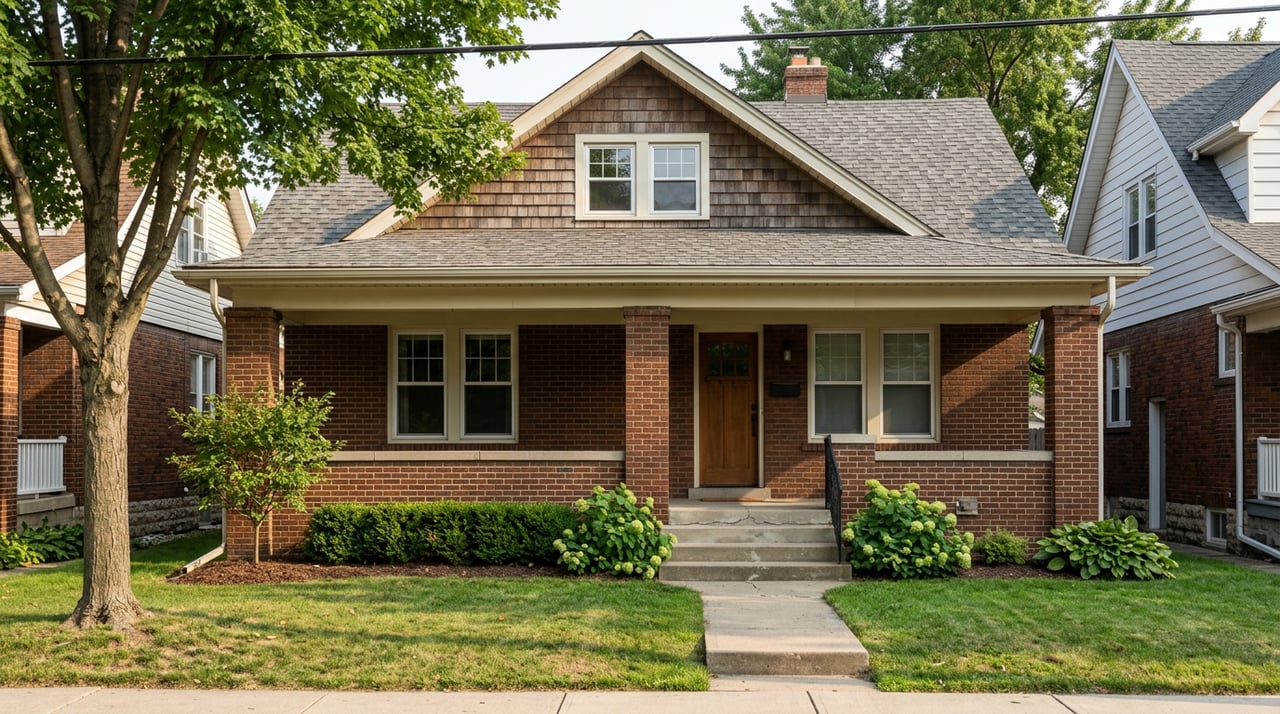
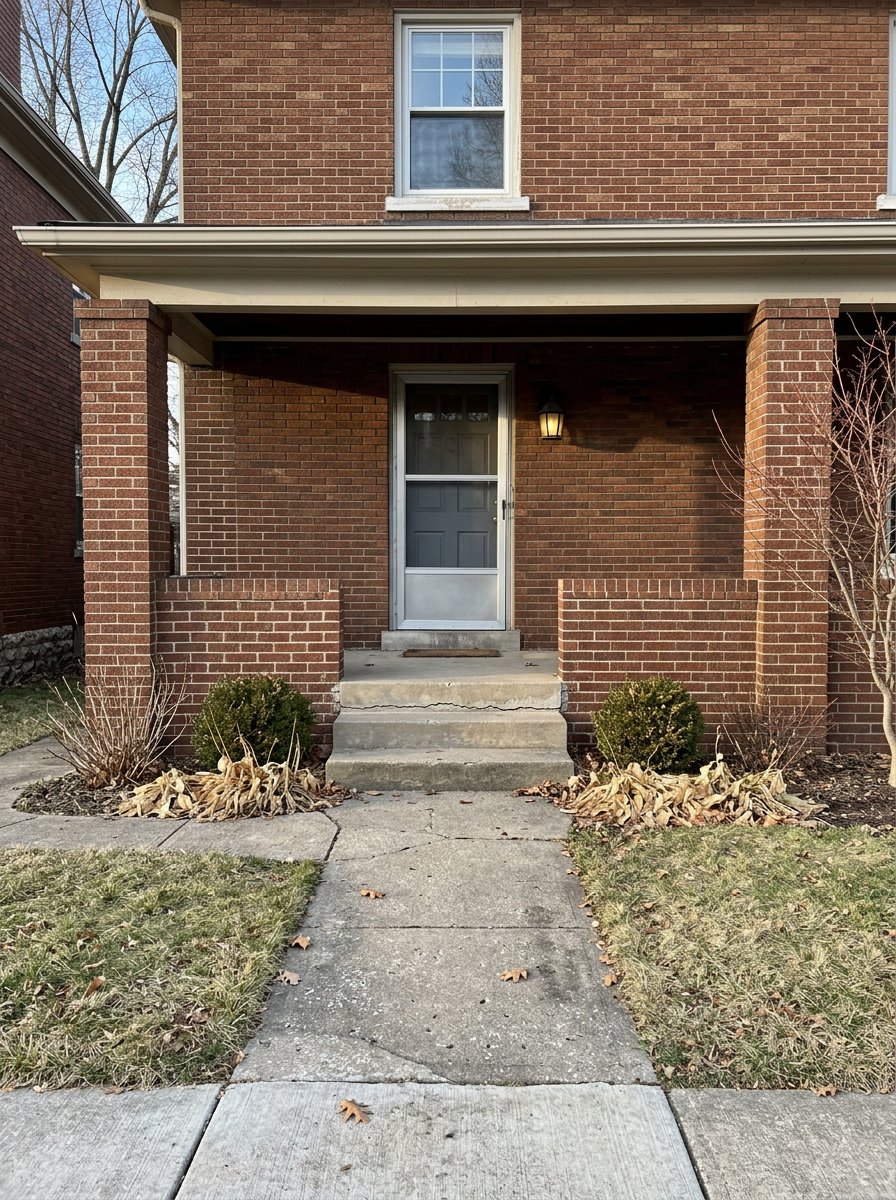
These early 20th-century neighborhoods offer tree-lined streets and distinctive architecture like Colonial, Tudor, Craftsman, and Dutch Colonial. You will see active business corridors such as Coventry, Larchmere, and near Shaker Square. Buyers like the classic homes, larger lots in places, and quick access to University Circle and downtown. Many homes are historic, so plan for routine maintenance and updates.
Along the lake you will find a mix of modest single-family homes, multifamily buildings, and areas of redevelopment. The draw is Lake Erie access and lower entry prices in select pockets. Lake adjacency varies by block, so it is worth driving the area to gauge proximity to beach and park amenities. Investment interest has grown in some lake-adjacent areas.
These communities blend residential neighborhoods with strong retail and corporate centers. You will see more midcentury and postwar homes, plus larger lots and higher-priced options compared with many city streets. Beachwood Place and nearby corridors anchor shopping and services. Highway access is a plus for suburban-to-suburban commutes.
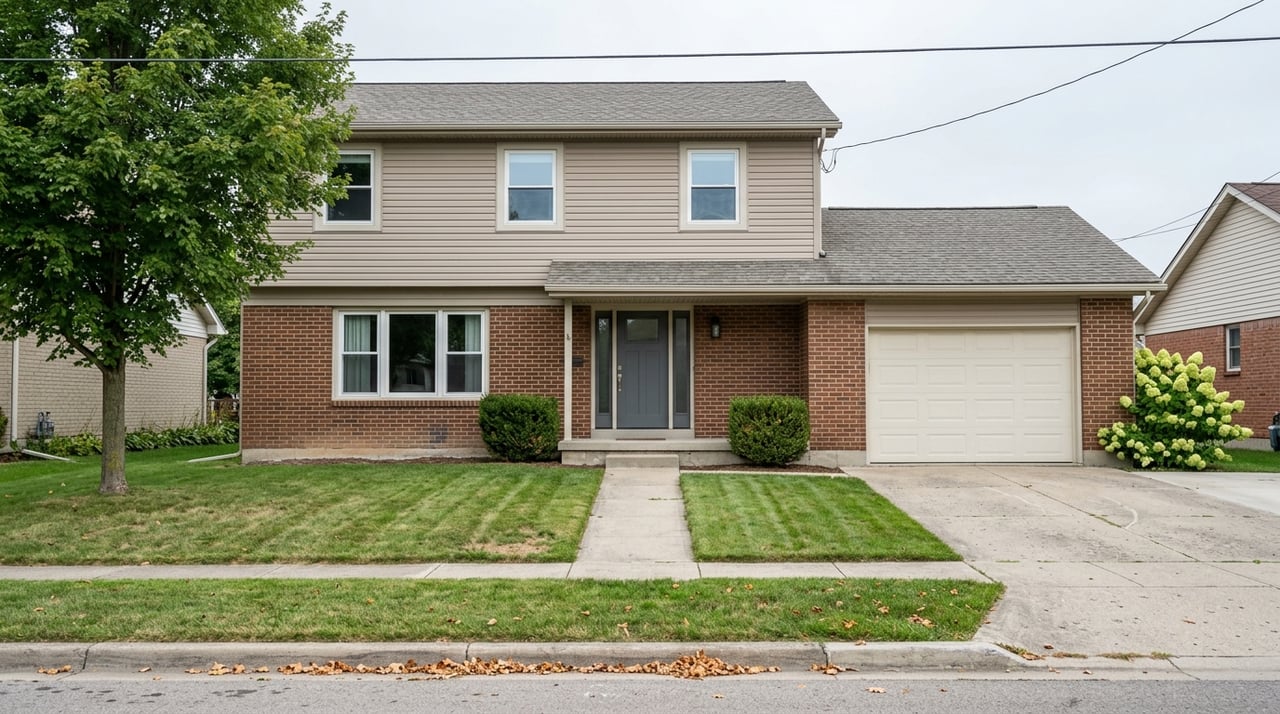
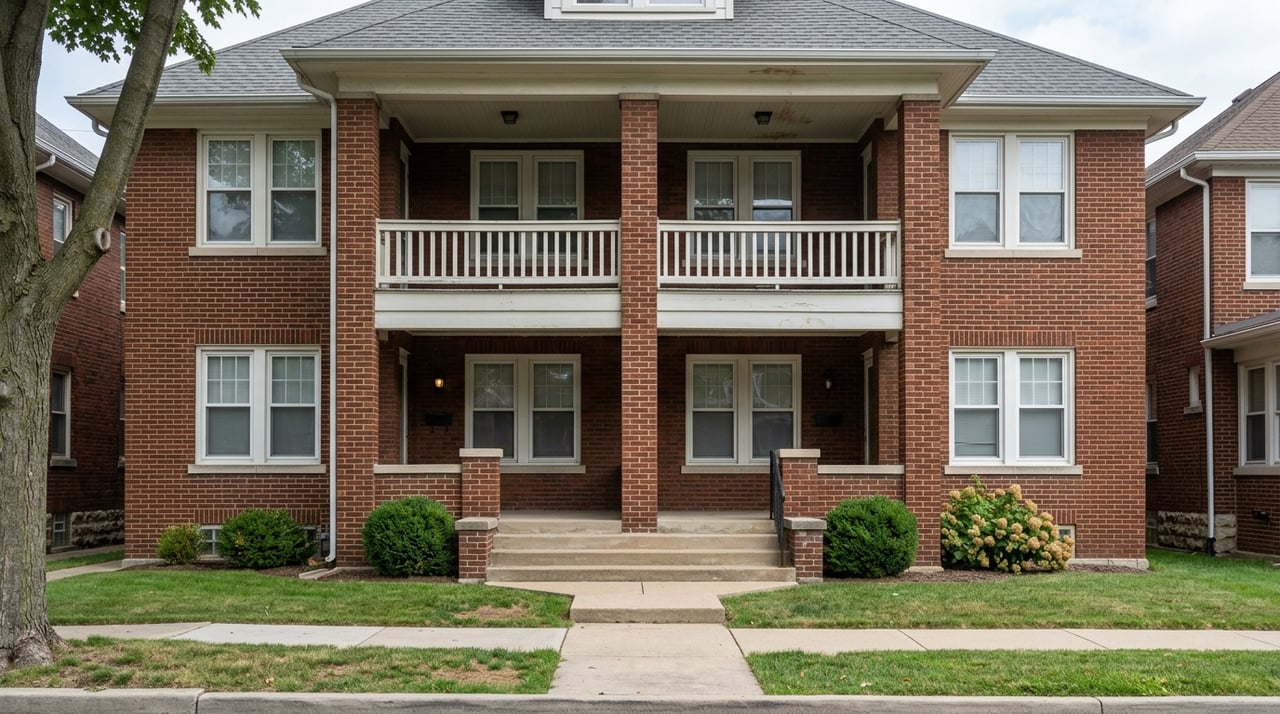
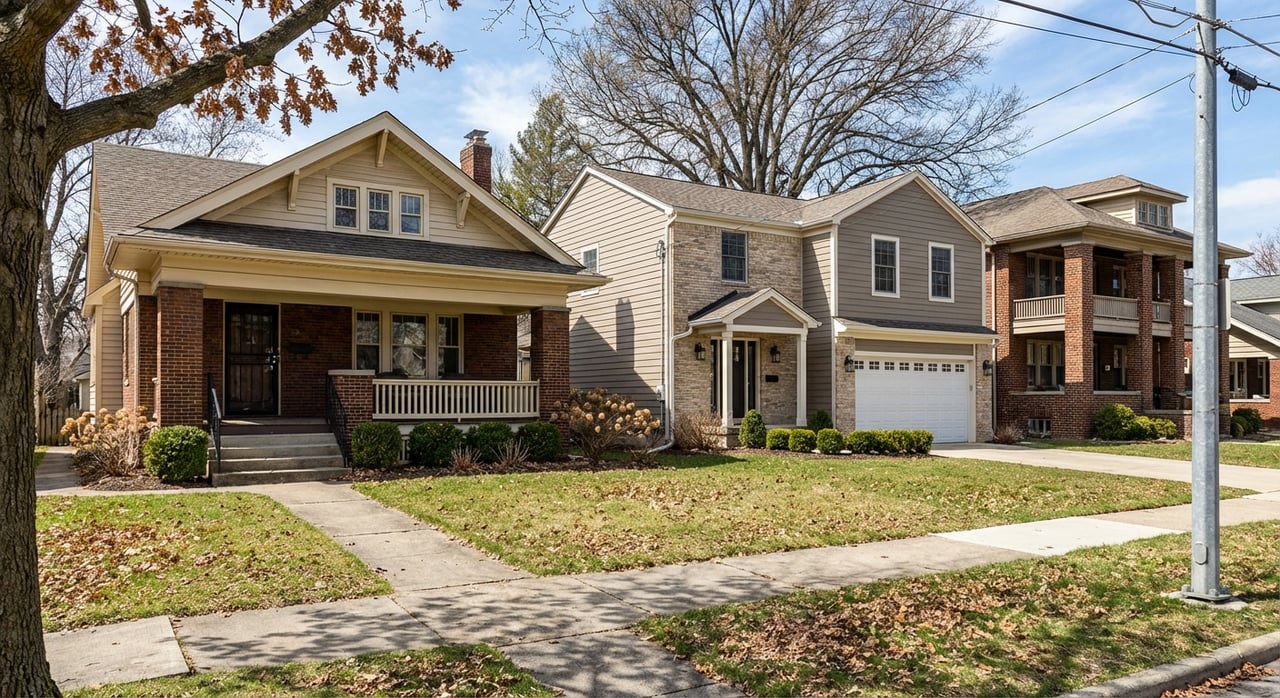
Across the East Side, expect a wide spectrum of housing. Early 20th-century single-family homes are common in the Heights and Shaker. You will also find larger prewar homes in parts of Shaker and Cleveland, midcentury ranches and split-levels in inner-ring suburbs, and multifamily or duplex options inside the city. Newer infill townhomes and small condo developments have grown near University Circle and Shaker Square.
Approximate price bands (as of 2022 through early 2024):
Treat these as regional generalizations. You can find lower-priced investments in higher-tier neighborhoods, and high-end restorations can exceed the ranges above. Always verify current pricing and condition at the property level.
Major roads shape daily travel on the East Side. I-90 runs east–west near the lake and connects downtown with eastern neighborhoods and suburbs. I-271 and I-480 support suburb-to-suburb trips, while Euclid Avenue and parallel corridors link downtown and University Circle into eastern neighborhoods. By car, many East Side commutes to downtown fall in the 10 to 30 minute range, depending on time of day and exact location.
Public transit is a strong option for several corridors. The Greater Cleveland RTA provides rapid rail and bus service, and the HealthLine bus rapid transit runs along Euclid Avenue. University Circle is one of the most transit-served employment areas, which can shorten trips for nearby residents in the Heights and adjacent neighborhoods. If parking matters, remember many older homes have alley access and detached garages, and some busy districts use on-street or permit parking.
Green space is a major East Side plus. Wade Park and Rockefeller Park anchor University Circle’s cultural landscape. Cleveland Metroparks offers East Side reservations, including Euclid Creek Reservation and connected greenways with trails and stream corridors. Along the northeastern lakefront, you can reach municipal beaches and parks, though proximity varies by block.
Cultural and employment anchors include the University Circle cluster of museums, Cleveland Clinic, University Hospitals, and Case Western Reserve University. For shopping and dining, look to Shaker Square, Larchmere, Coventry Road, and Beachwood’s retail hub. Grocery and pharmacy access ranges from local markets in city neighborhoods to big-box and suburban supermarkets in places like Beachwood and Solon corridors.
Much of the housing in the Heights and Shaker is pre-World War II, which makes for beautiful architecture but also routine updates. Common upgrades include electrical and plumbing modernization, insulation, basement waterproofing, and mechanicals. Exterior projects in historic districts may require review, so plan your timeline before you renovate.
Basements are common, and waterproofing or sump pumps are normal maintenance items. Review municipal stormwater and floodplain resources and check FEMA flood maps for localized risk. Older homes may also have lead service lines or plumbing; ask about disclosures, consider water testing, and plan for replacement if needed.
Inspection priorities often include the foundation and basement condition, roof age and layers, HVAC and electrical panels, and any evidence of water intrusion. For condos and HOAs, review bylaws, reserves, special assessments, and parking rules to understand long-term costs.
New construction on the East Side tends to be infill. You will see townhomes and smaller multiunit developments near University Circle, Shaker Square, and certain redevelopment corridors. Larger-lot new subdivisions are more common in outer suburbs. If brand-new is your priority, balance it against commute time and everyday access to your preferred services.
If you are a first-time or credit-sensitive buyer, pair your neighborhood search with a clear financing plan. Pre-qualification helps you move fast in competitive segments and sets expectations for renovation budgets in older homes. Review inspection needs up front, price out likely upgrades, and compare property tax implications between municipalities. A focused plan will help you act confidently when the right home appears.
Ready to align the right East Side neighborhood with a smart mortgage strategy? Connect with Charles Redmon for integrated guidance on neighborhoods, pre-qualification, and a clear path from search to close.
With over ten years of experience in the mortgage, real estate, and banking industry, I am knowledgeable, professional, and available to help you with all of your mortgage needs!
Charles Redmon
Address
6715 HANKEE ROAD
MANTUA OH 44255