
Cleveland Housing Market Trends and What Drives Prices
Thinking about a move in Cleveland this winter or spring? You are not alone. Prices, inventory, and days on market are shifting, and the headlines do not always match what you see in your neighborhood. In this guide, you will learn what is driving the Cleveland housing market, what to watch on the East Side, and how to use the season to your advantage whether you are buying or selling. Let’s dive in.
Several forces work together to set prices and market speed in Cuyahoga County. The most important are mortgage rates and credit conditions, the amount of available inventory, local employment, investor activity, and neighborhood improvements. When you track these factors together, you get a clear picture of whether you are in a buyer’s or seller’s market and how to plan your next step.
Mortgage rates shape your buying power and the size of the active buyer pool. When rates fall, more buyers can qualify and competition picks up. When rates rise, affordability tightens and buyers become more price sensitive. Credit standards matter too. Tighter underwriting reduces eligible buyers, while flexible programs can bring more first-time and credit-sensitive buyers into the market. If you are financing, staying pre-approved and rate-aware helps you move fast when the right home hits the market.
Active inventory and months of supply tell you how much leverage each side has. Low inventory makes desirable listings move quickly and supports firmer prices. Rising inventory gives buyers more choices, longer decision windows, and room to negotiate. Entry-level single-family homes are often the tightest segment in Cleveland, so expect faster activity and strong interest when a clean, well-priced home lists in that range.
Cuyahoga County’s largest employers, including major health systems and higher education, draw steady demand across the county. Manufacturing and logistics also influence relocation and household formation. Affordability compared to coastal markets can attract new residents and investors. When job growth is stable and the region stays cost-competitive, demand supports price stability and shorter days on market in the most sought-after price bands.
Investor purchases, especially in lower price tiers and small multifamily, shape both demand and negotiation dynamics. More cash buyers can compress timelines and change how offers are structured. Rental trends and vacancy rates guide where investors focus, which can impact availability for owner-occupants. If you are buying to live in the home, a strong pre-approval and clear timeline can help you compete with cash.
Local improvements and programs matter. Investments in parks, lakefront access, transit, and commercial corridors can lift neighborhood desirability. City and county incentives, including tax abatements and land bank activity, can support rehab and new investment. On the flip side, maintenance issues, code enforcement, or industrial adjacency can make pricing more sensitive. Understanding these levers block by block helps you price accurately and market effectively.
Cleveland typically sees fewer new listings and slower buyer traffic in winter. That often means longer days on market, more selective showings, and occasional price adjustments. Spring usually brings more new listings and more buyers, which can shorten days on market and firm up pricing. If you plan to move between February and June, prepare for a pace shift as winter turns to spring.
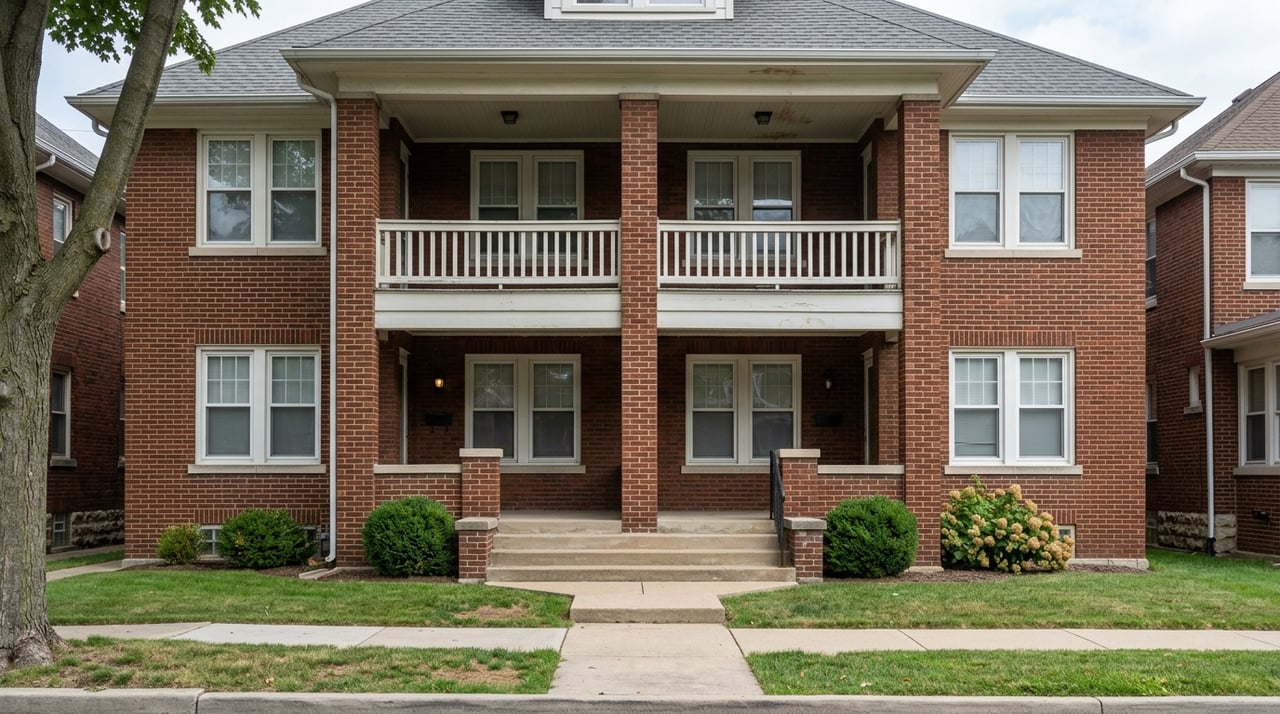
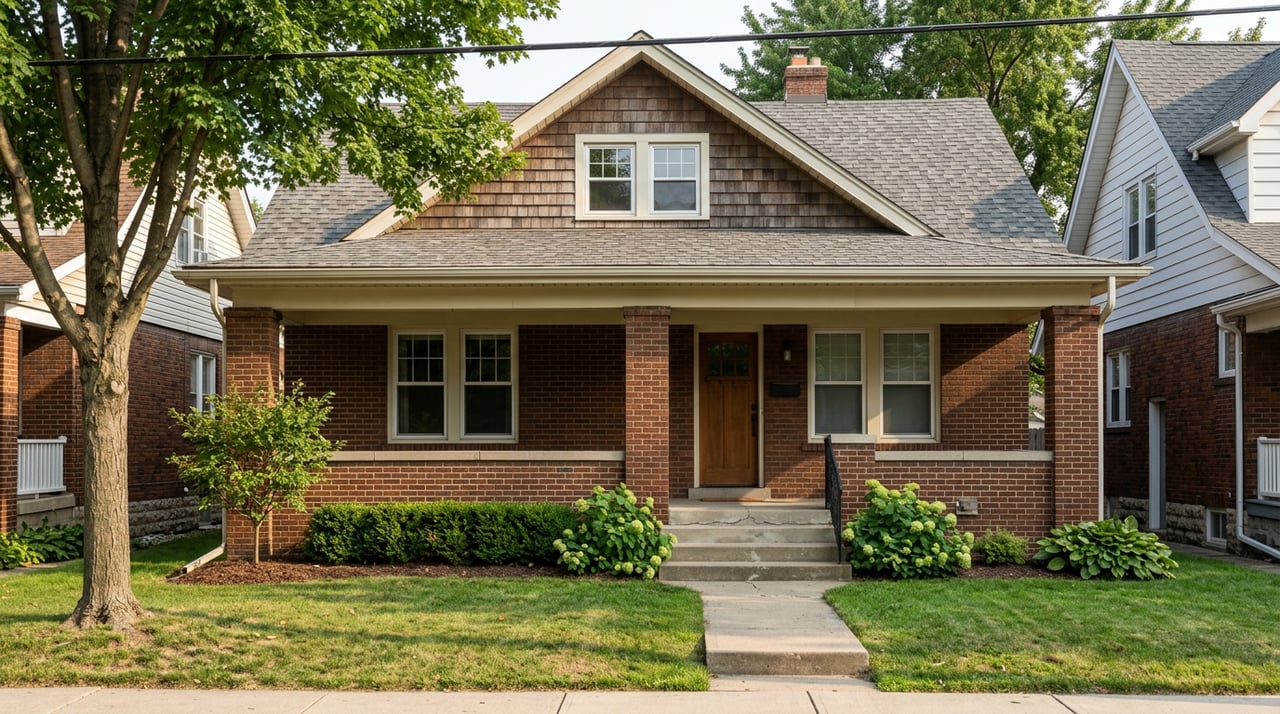
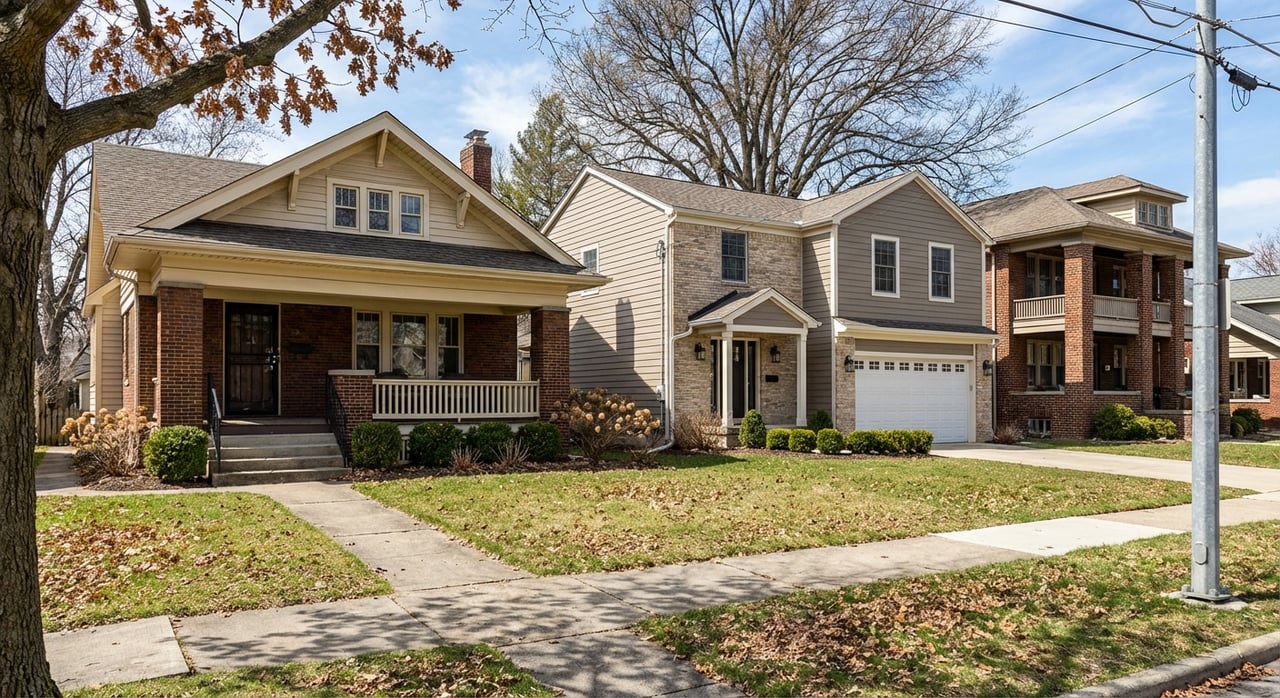
Many East Side neighborhoods, including South Collinwood, feature older single-family homes, duplexes, and small multifamily properties. This creates options for value-focused buyers and investors. Lake access, transit connections, and steady rehab activity can improve appeal. In areas with older housing stock, condition, disclosures, and realistic pricing play an even larger role in days on market and the final sale-to-list ratio.
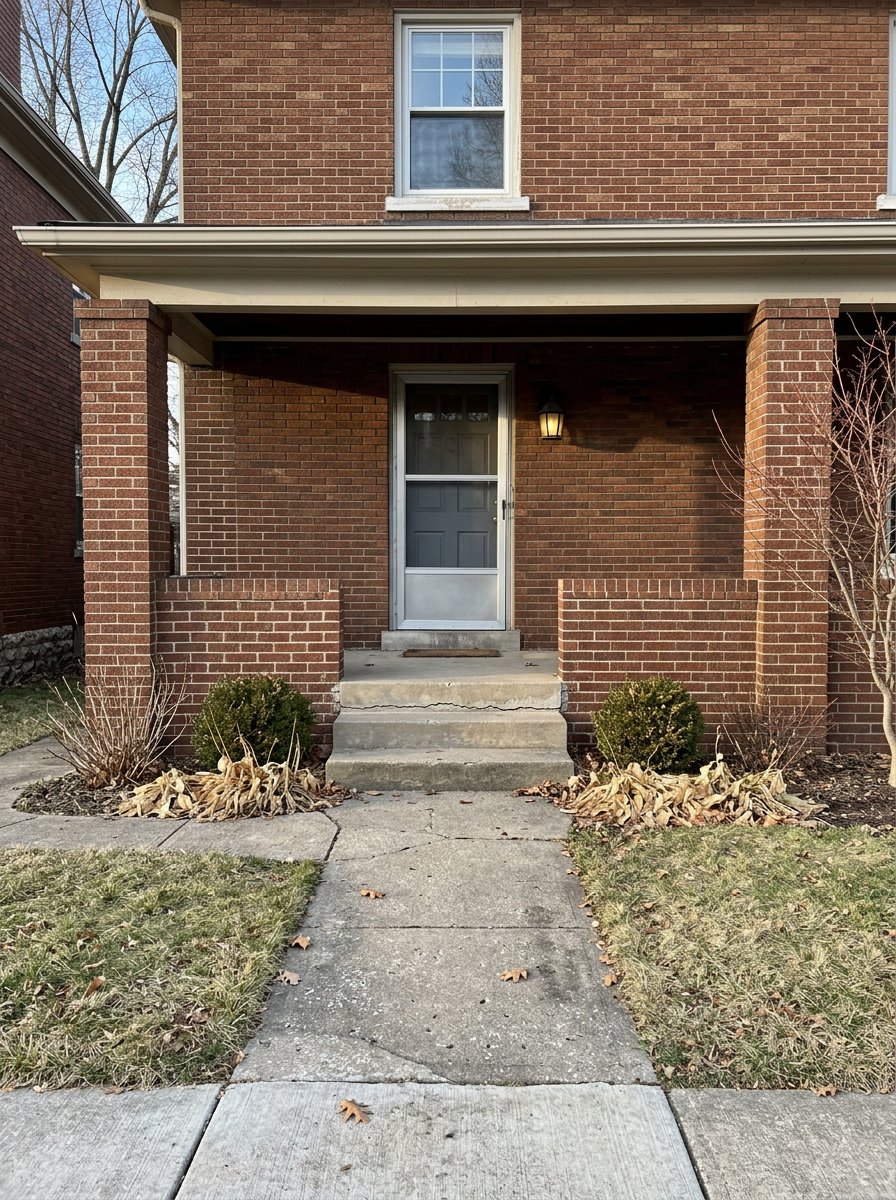
Cleveland’s older housing stock calls for careful prep. Sellers should consider a pre-listing inspection to surface key items like roofs, electrical, plumbing, HVAC, windows, and foundations. Clear disclosures build buyer trust and reduce renegotiations after inspections. Buyers should budget for updates and prioritize strong inspection rights so you can assess repair needs and total cost of ownership.
If you are exploring duplexes or small multifamily, track rent trends, vacancy, and investor activity in your submarket. Properties with solid mechanicals, straightforward layouts, and proximity to daily amenities often rent more consistently. Your financing type, projected repairs, and lease assumptions will determine whether the numbers make sense. A clear plan for property management and maintenance protects your return.
Your financing plan is central to your outcome. If you are a first-time or credit-sensitive buyer, early work on credit, down payment options, and closing cost strategies makes a big difference. For sellers, understanding buyer financing types and appraisal expectations helps you select the most reliable offer. Integrated lending guidance can streamline timelines, reduce surprises, and support stronger negotiations for both sides.
If you want neighborhood-specific pricing, days on market, and inventory for Cleveland, Cuyahoga County, or East Side submarkets like South Collinwood, get a tailored market brief and financing plan. Reach out to schedule a quick consultation and align your price, timeline, and lending strategy with current conditions. For one-on-one guidance that blends local market expertise with mortgage know-how, connect with Charles Redmon.

With over ten years of experience in the mortgage, real estate, and banking industry, I am knowledgeable, professional, and available to help you with all of your mortgage needs!

Charles Redmon
Address
6715 HANKEE ROAD
MANTUA OH 44255